

Trustworthiness: Quiet Strength in a Noisy World
October 2025. Trust in institutions sits at historic lows. Social media algorithms reward outrage over authenticity. Everyone’s shouting, but nobody’s listening.
And yet, the people who quietly do what they say they’ll do? They’re becoming more valuable by the day.
The Trust Gap Nobody Talks About
Here’s the thing about trustworthiness: we judge ourselves by our intentions, but everyone else judges us by our impact. You meant to call back. You intended to follow through. You really were going to send that proposal.
But meaning doesn’t build trust. Doing does.
Seth Godin nailed it: “We judge ourselves on intent (caring) but others judge us on impact (how our actions – or inactions – land).” That gap between what we meant to do and what actually happened? That’s where trust gets lost.
The quiet truth is that in our noisy world, consistency has become a superpower. Not the flashy kind of consistency that gets LinkedIn posts and conference speaking gigs. The boring kind. The kind that shows up when nobody’s watching.
Why Your Brain Craves Reliable People
Science backs this up in ways that might surprise you. When researchers study trust, they find something fascinating: our brains are pattern-matching machines. We’re constantly scanning for predictability in an unpredictable world.
Paul Zak’s neuroscience research shows that when we experience reliability from others, our brains release oxytocin – the same hormone that bonds parents to children. Your trustworthiness literally creates biochemical safety in other people’s minds.
Think about the last time someone consistently did what they said they’d do. How did that feel? Probably like finding an island of calm in a sea of chaos.
The mirror neurons in our brains pick up on this consistency. When your words and actions align repeatedly, it creates what researchers call “psychological safety.” Others feel secure bringing their real ideas, their vulnerabilities, their whole selves to the relationship.
The Quiet Revolution
But here’s where it gets interesting. Trustworthiness in 2025 doesn’t look like what it used to.
It’s not about being the loudest voice in the room or having the most followers. It’s not about perfect execution or never making mistakes. It’s about something more subtle and more powerful: being steady when everything else is chaos.
The most trustworthy people I know share a few quiet habits:
They under-promise and over-deliver. Instead of saying “I’ll get back to you soon,” they say “I’ll respond by Thursday.” Instead of promising to “change everything,” they commit to specific, achievable improvements.
They admit when they don’t know something. In a world full of fake expertise, saying “I’m not sure, but I’ll find out” becomes radical honesty.
They remember the small things. They follow up on conversations. They check in without needing anything. They remember what matters to you.
They’re consistent in the mundane. They show up on time. They respond to messages. They do the boring work of maintaining relationships.
The Cost of Fake Reliability
We’ve all met the performative reliable person. They make grand promises in public and then quietly let things slide. They’re always “so sorry” and “absolutely committed” to doing better next time.
This performative reliability is worse than inconsistency. At least with inconsistent people, you know what you’re getting. The fake reliable person creates a kind of trust whiplash – you want to believe them, but experience teaches you otherwise.
The research on this is clear: broken trust is harder to rebuild than no trust at all. When someone’s reliability becomes a mask to earn approval, it eventually cracks. And when it does, the damage runs deep.
How to Build Real Trustworthiness
So how do you become genuinely trustworthy in a world that rewards performance over substance?
Start impossibly small. Don’t commit to revolutionizing your entire approach to reliability. Commit to responding to one email today. To showing up five minutes early to one meeting. To following through on one tiny promise.
Match your capacity to your commitments. Before saying yes to anything, ask yourself: “Given everything else on my plate, can I do this well and on time?” If the answer is no, say no. Your reputation for reliability depends more on what you don’t commit to than what you do.
Create visible systems. Use calendars, reminders, and follow-up systems that others can see. When people understand your process, they trust it. Transparency about how you stay organized builds confidence in your follow-through.
Acknowledge the gaps quickly. When you miss something (and you will), address it immediately. Don’t wait for someone to ask. Don’t make excuses. Just acknowledge what happened and course-correct.
The Trust Multiplier Effect
Here’s what nobody tells you about becoming truly trustworthy: it’s a multiplier, not just for your relationships, but for your effectiveness in the world.
When people trust you, they bring you better opportunities. They’re more honest in their feedback. They’re willing to take bigger risks with you because they know you’ll handle them responsibly.
Teams with trustworthy members perform measurably better. Not because they’re more talented, but because they can move faster. They waste less energy on politics and covering their bases. They can focus on the work itself.
In your personal life, trustworthiness creates deeper connections. People feel safe being vulnerable around you. They know their confidences are safe. They trust your judgment because they’ve seen you make good decisions consistently.
The Long Game
Building trustworthiness is playing the long game in a world obsessed with quick wins. It’s choosing to be steady when everyone else is chasing shiny objects. It’s doing the boring work of keeping promises when keeping promises isn’t glamorous.
But here’s the thing about long games: they compound. Every kept promise builds on the last one. Every consistent action creates more trust than the one before it.
In a noisy world full of broken commitments and performative authenticity, being genuinely reliable isn’t just valuable – it’s rare. And rare things become precious.
The question isn’t whether you care about being trustworthy. Most people do. The question is whether you’re willing to do the unglamorous work of building it, one small commitment at a time.
Your future self – and everyone who depends on you – will thank you for starting today.
About Miles Spencer
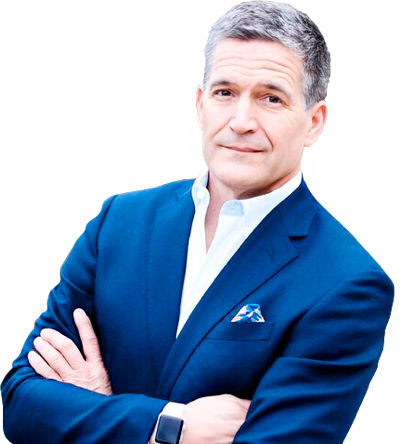
Miles Spencer is a spokesperson, founder, and startup generalist who believes in the power of authentic leadership and practical wisdom. He writes about entrepreneurship, personal development, and the intersection of business and humanity at milesspencer.com. When he’s not building companies or writing, you can find him exploring the complexities of human nature and organizational culture.
Resources for Building Trust:
- The Speed of Trust by Stephen M.R. Covey – Practical strategies for building trust in relationships and organizations
- The Trust Edge by David Horsager – A comprehensive framework for developing trustworthiness in leadership and business


